


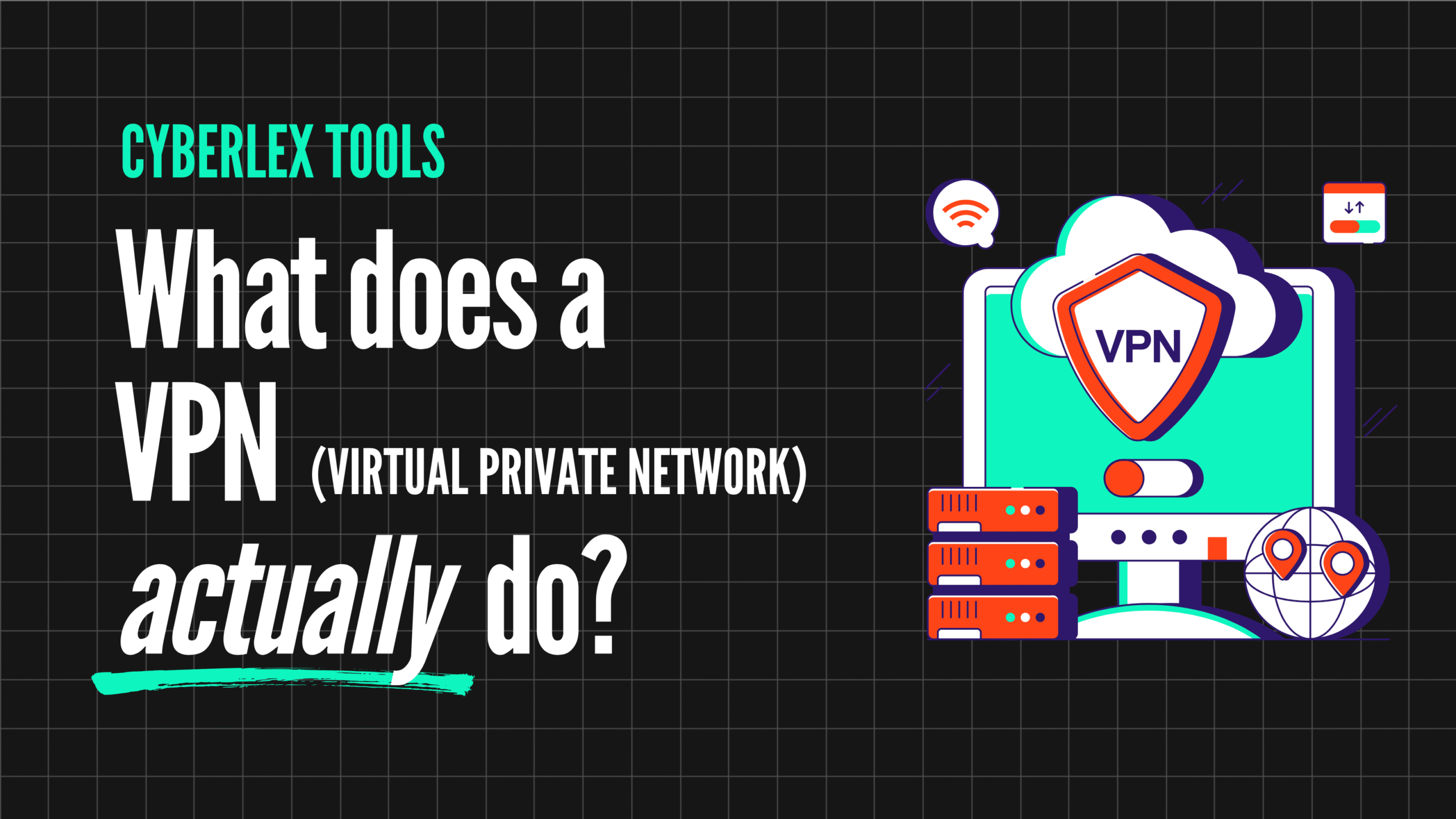
In a world where almost everything we do touches the internet — banking, shopping, emailing, sharing photos, booking travel — keeping your data safe isn’t optional anymore. One of the simplest tools you can use to protect yourself is a VPN, short for Virtual Private Network.
But what does a VPN actually do, and when should you use one? Let’s break it down in a way that’s easy to understand and immediately useful.
What a VPN Actually Does
A VPN isn’t just a buzzword thrown around in tech spaces — it’s a privacy tool that works quietly in the background to give you more control over your digital footprint.
Here’s what it does:
1. Encrypts your internet traffic
Think of encryption like sealing your information inside a locked tunnel.
Your online activity gets scrambled so no one else can read it — not hackers, not Wi-Fi snoopers, not even your internet service provider (ISP).
2. Hides your IP address
Your IP address reveals information about your approximate location and can be used to track your browsing.
A VPN replaces your real IP address with one from their server, making it harder for websites, advertisers, and ISPs to trace your activity back to you.
3. Protects your data on public Wi-Fi
Coffee shops, airports, hotels — public Wi-Fi is convenient, but also one of the easiest places for cybercriminals to intercept your data.
A VPN adds a layer of security so your passwords, banking information, and personal messages stay protected.
When a VPN Is Most Helpful
You don’t need a VPN all the time, but there are specific situations where it’s a smart move for your digital safety.
1. When you’re on public Wi-Fi
Airports, cafés, hotels — these networks are convenient but often unsecured.
A VPN encrypts your connection so your data isn’t exposed to anyone nearby.
2. When you’re traveling
A VPN helps you access region-specific apps, banking portals, and websites that may block you when you’re abroad.
3. When you want to keep your ISP from tracking you
ISPs can legally see and log your browsing history in many places. Using a VPN keeps your online activity private.
Why VPNs Matter More Than Ever
Cyber threats have become more sophisticated. Data leaks, identity theft, phishing, and Wi-Fi attacks are all on the rise — and many of them happen silently, without the victim knowing until it’s too late.
While a VPN isn’t a magic shield that stops every threat, it does:
- reduce how much data websites can collect on you
- make your connection much harder to intercept
- protect you in environments where you’re most vulnerable
- improve your overall digital hygiene
Think of it like locking your front door. You might live in a safe neighborhood, but you still lock it — because it’s the smart thing to do. A VPN is one of the most accessible cybersecurity tools you can use.
Cyber safety doesn’t have to be complicated. Small, consistent choices can go a long way toward keeping your information secure — and a VPN is one of the easiest places to start.
Stay Cyber Safe. Stay Cyber Smart.
Stay #CyberFlexed
