


Valentine’s Day is all about connection — but scammers are counting on emotion and urgency to catch people off guard.
According to the Better Business Bureau30 and the Federal Bureau of Investigation31, scams spike around Valentine’s Day, especially in online shopping and dating.
Here’s what to watch for before you click, buy, or fall for it.
1. Imposter Websites & Fake Shops
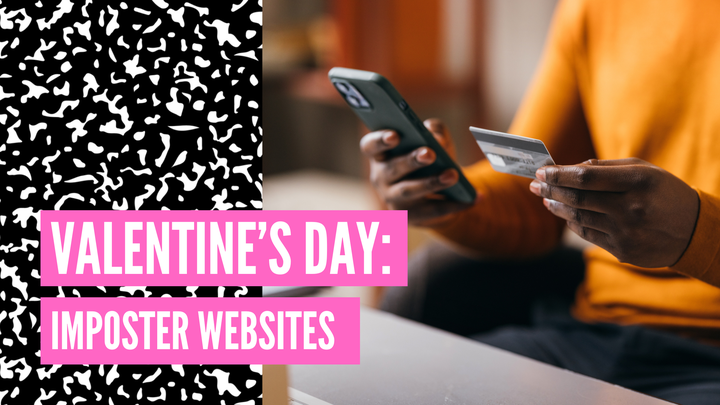
Scammers build look-alike websites that copy real jewelry, flower, or gift brands — logos, photos, sales, and all.
🚩 Red flags:
- Prices that are way too good to be true
- Requests to pay via cash apps, gift cards, or crypto
- No real customer support or return policy
CyberFlex tip: Always double-check the URL and avoid sellers that don’t accept credit cards.
2. Fake Dating Sites & Profile Clones
Some scams start before the conversation even begins. Fake dating sites and cloned profiles are often designed to steal:
- Credit card info
- Personal data
- Login credentials
If a platform asks for payment or sensitive info upfront, pause.
3. Romance Scams: When Trust Becomes the Trap
Romance scammers build emotional connection fast — then avoid meeting in person and eventually ask for money.
🚩 Warning signs:
- Requests for money, gift cards, or crypto
- Attempts to isolate you from friends or family
- Tragic stories meant to trigger sympathy
If you haven’t met them in person, don’t send anything.
Stay Safe While Dating Online
- Verify photos and profiles
- Never share sensitive personal or financial info
- Meet in public places and tell someone your plans
- Be wary of urgency, secrecy, or emotional pressure
The Bottom Line ❤️
Scammers thrive on emotion — especially around holidays. A few extra checks can save you a lot of stress, money, and heartache.
This Valentine’s Day, think before you click — and trust your instincts.
Stay safe!
Stay #CyberFlexed!
